
Top 10 Best Football Stadiums in the World Ranked (2026 Updated)

Introduction
Football is more than just a sport—it’s a global passion that unites billions of fans across continents. While legendary players create unforgettable moments on the pitch, the stadiums where those moments happen become icons in their own right. The greatest football stadiums are not simply places to watch matches; they are architectural masterpieces, historic landmarks, and homes of unforgettable atmospheres that leave lifelong memories for supporters.
From Europe’s historic cathedrals of football to South America’s electrifying arenas, every stadium has its own identity. Some impress with enormous capacities, while others are famous for their intimidating crowds, cutting-edge design, or rich football heritage.
In this updated 2026 ranking, we’ve evaluated stadiums using six major factors:
- Atmosphere on matchday
- Seating capacity
- Historical importance
- Architectural design
- Fan experience
- Iconic matches hosted
If you’re planning to experience football at its finest or simply want to know which venues stand above the rest, this guide to the Top 10 Best Football Stadiums in the World Ranked (2026 Updated) has everything you need.
Comparison Table
| Rank | Stadium | Country | Capacity | Home Team |
|---|---|---|---|---|
| #10 | Signal Iduna Park | Germany | 81,365 | Borussia Dortmund |
| #9 | San Siro | Italy | 75,923 | AC Milan & Inter Milan |
| #8 | Maracanã Stadium | Brazil | 78,838 | Flamengo & Fluminense |
| #7 | Old Trafford | England | 74,310 | Manchester United |
| #6 | Allianz Arena | Germany | 75,024 | Bayern Munich |
| #5 | Santiago Bernabéu | Spain | 85,000+ | Real Madrid |
| #4 | Wembley Stadium | England | 90,000 | England National Team |
| #3 | Camp Nou | Spain | 105,000 (Renovated) | FC Barcelona |
| #2 | Lusail Stadium | Qatar | 88,966 | National Events |
| #1 | Estadio Monumental | Argentina | 84,500+ | River Plate |
#10 Signal Iduna Park (Germany)
Overview
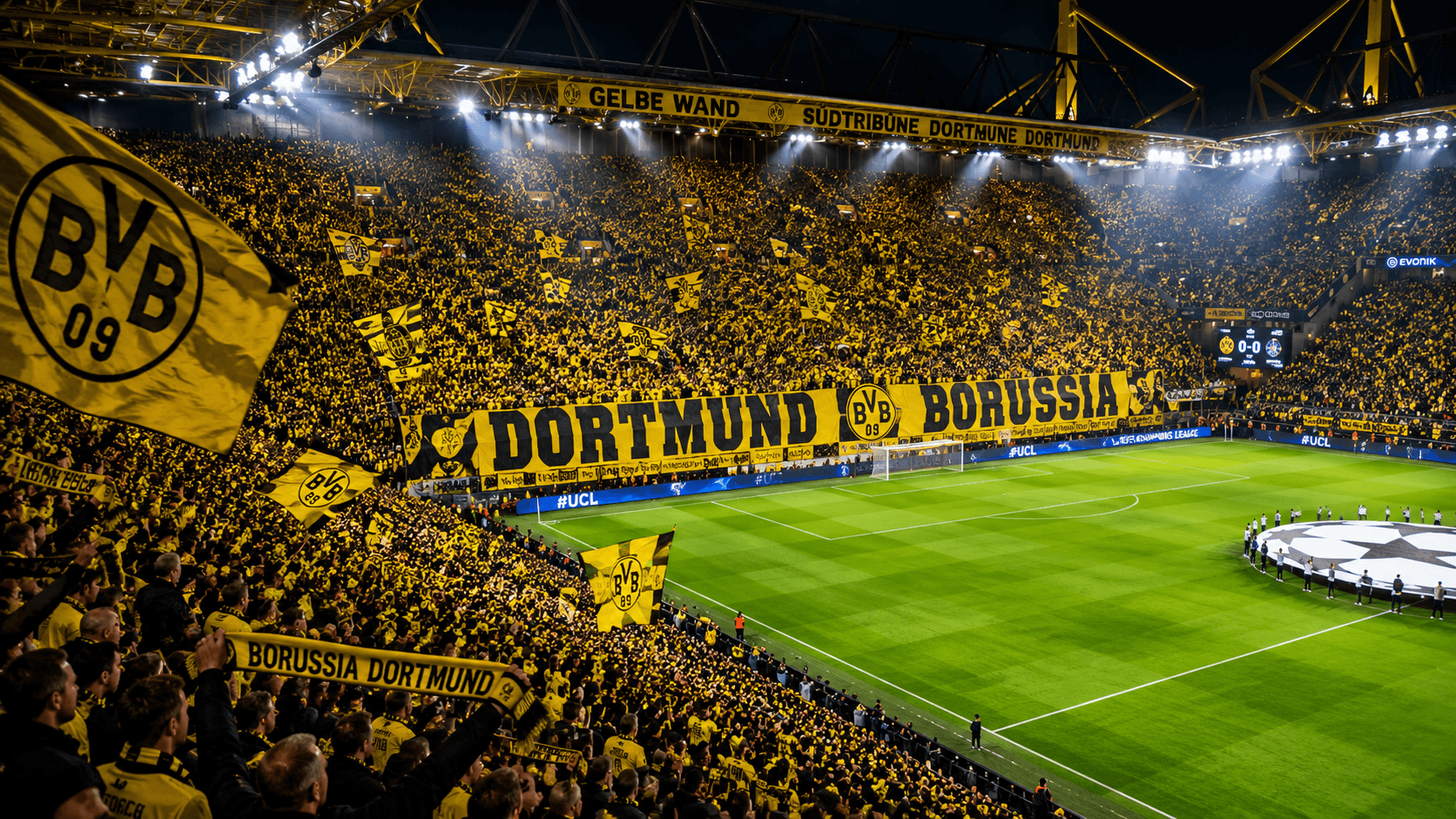
Signal Iduna Park earns its place among the world’s greatest football stadiums thanks to its unmatched atmosphere. Home to Borussia Dortmund, this iconic venue is famous for the legendary “Yellow Wall,” one of the largest standing terraces in world football. Every matchday transforms the stadium into a sea of yellow and black, creating one of the loudest and most intimidating environments for visiting teams.
Quick Facts
- Location: Dortmund, Germany
- Capacity: 81,365
- Home Club: Borussia Dortmund
- Opened: 1974
Why It’s Special
The South Stand alone accommodates more than 24,000 standing supporters, making it the largest terrace in European football. The synchronized chants, waving scarves, and nonstop singing create an atmosphere admired worldwide.
The stadium has hosted FIFA World Cup matches, UEFA European Championship fixtures, and memorable UEFA Champions League nights that remain unforgettable for football fans.
Interesting Facts
- Nicknamed “The Yellow Wall.”
- Largest stadium in Germany.
- Hosts over 80,000 fans for domestic league games.
- Frequently voted among the best football atmospheres worldwide.
#9 San Siro (Italy)
Overview
Few football stadiums carry as much prestige as San Siro. Officially known as Stadio Giuseppe Meazza, it has been the shared home of AC Milan and Inter Milan for decades. Its distinctive spiral towers and steep stands have made it one of football’s most recognizable venues.
Quick Facts
- Location: Milan, Italy
- Capacity: 75,923
- Home Clubs: AC Milan and Inter Milan
- Opened: 1926
Why It’s Special
San Siro has hosted countless Derby della Madonnina clashes, Champions League finals, and legendary European nights. Its towering architecture places fans close to the action, producing an intense atmosphere unlike almost anywhere else.
Although redevelopment discussions continue, San Siro remains one of football’s most treasured landmarks.
Interesting Facts
- Shared by two historic rival clubs.
- Hosted multiple UEFA Champions League Finals.
- Known for its iconic spiral ramps.
- One of Italy’s most visited sporting venues.
#8 Maracanã Stadium (Brazil)
Overview
No list of the Top 10 Best Football Stadiums in the World Ranked (2026 Updated) would be complete without the legendary Maracanã. Located in Rio de Janeiro, this stadium symbolizes Brazilian football and has witnessed some of the sport’s most emotional moments.
Quick Facts
- Location: Rio de Janeiro, Brazil
- Capacity: 78,838
- Home Clubs: Flamengo and Fluminense
- Opened: 1950
Why It’s Special
Originally built for the 1950 FIFA World Cup, Maracanã once welcomed nearly 200,000 spectators. Today, despite modernization, it still offers one of football’s most passionate environments.
The stadium has hosted World Cup finals, Copa América matches, Olympic ceremonies, and countless Brazilian football classics.
Interesting Facts
- Hosted the 1950 and 2014 FIFA World Cup Finals.
- Hosted the opening and closing ceremonies of the 2016 Olympics.
- One of South America’s most historic football venues.
- A must-visit destination for football lovers worldwide.
These three stadiums perfectly demonstrate why football is celebrated as the world’s most beloved sport. From Germany’s electric Yellow Wall to Italy’s historic cathedral of football and Brazil’s legendary Maracanã, each venue offers a unique experience that deserves global recognition.
#7 Old Trafford (England)
Overview
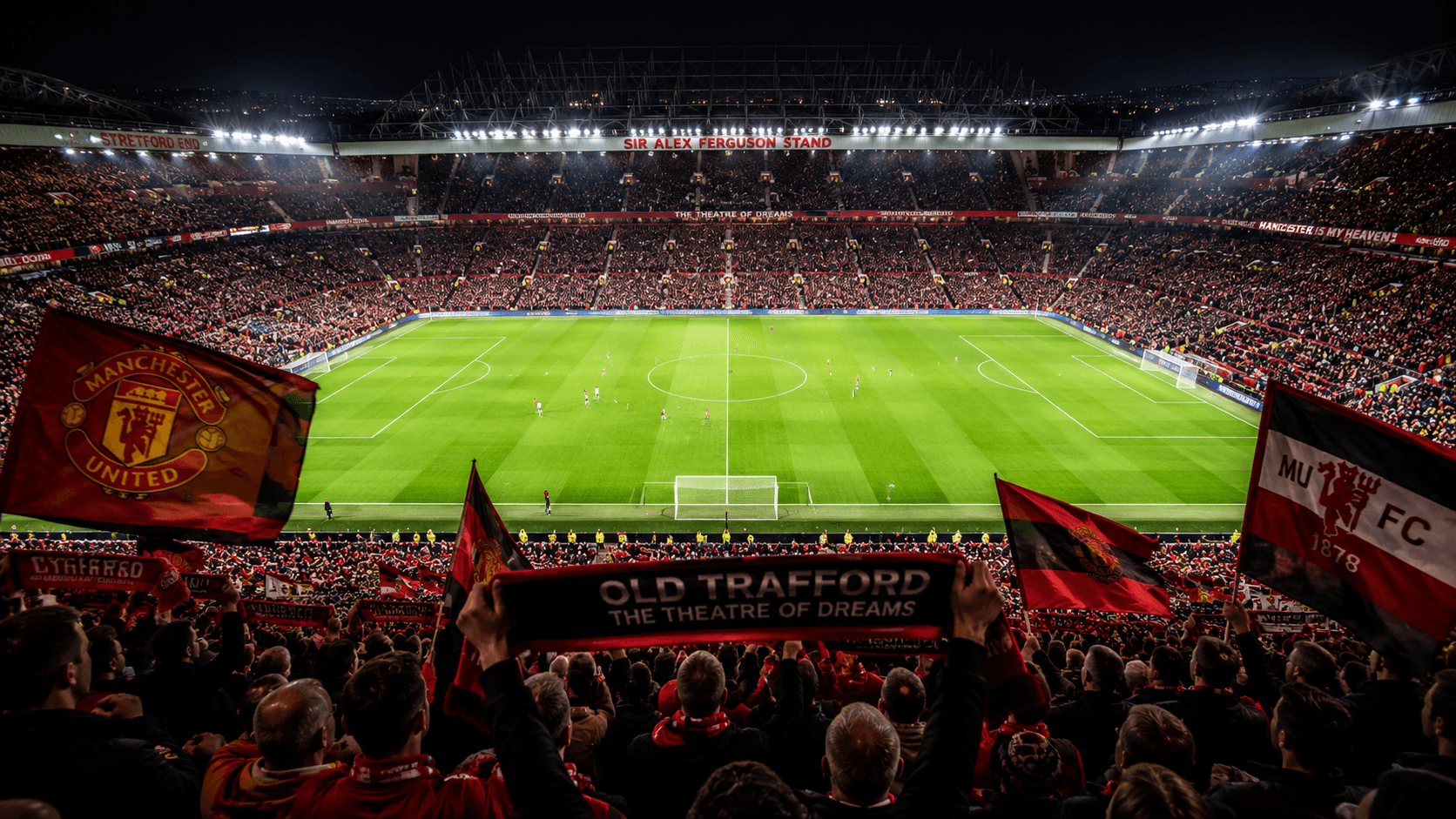
Nicknamed “The Theatre of Dreams,” Old Trafford is one of the most famous football stadiums in the world. Home to Manchester United since 1910, it has witnessed generations of legendary players, unforgettable victories, and some of the greatest moments in English football history.
Despite being more than a century old, Old Trafford continues to attract millions of visitors every year. Its rich heritage, passionate supporters, and iconic atmosphere make it one of football’s true landmarks.
Quick Facts
- Location: Manchester, England
- Capacity: 74,310
- Home Club: Manchester United
- Opened: 1910
Why It’s Special
Old Trafford has hosted Premier League classics, UEFA Champions League finals, FA Cup semi-finals, international matches, and the 1966 FIFA World Cup. Walking through the famous Munich Tunnel and seeing the statues of Sir Matt Busby, Sir Alex Ferguson, and the United Trinity creates an unforgettable experience for football fans.
The atmosphere during major European nights remains among the best in England, especially when over 74,000 supporters sing together before kickoff.
Interesting Facts
- Nicknamed “The Theatre of Dreams” by Sir Bobby Charlton.
- Largest club football stadium in England.
- Damaged during World War II and later rebuilt.
- Hosts more than a million visitors annually through museum and stadium tours.
#6 Allianz Arena (Germany)
Overview
Few football stadiums combine futuristic architecture and world-class fan experience as perfectly as the Allianz Arena. Opened in 2005, it quickly became one of the most recognizable sporting venues thanks to its unique illuminated exterior made up of thousands of ETFE panels.
Home to Bayern Munich, Germany’s most successful football club, the stadium regularly hosts sold-out Bundesliga and Champions League matches.
Quick Facts
- Location: Munich, Germany
- Capacity: 75,024
- Home Club: Bayern Munich
- Opened: 2005
Why It’s Special
The Allianz Arena changes color depending on the occasion, glowing red for Bayern Munich matches and creating one of the most spectacular sights in world football. Inside, every seat provides excellent visibility, while modern technology ensures an outstanding matchday experience.
The stadium has hosted UEFA Champions League finals, UEFA European Championship matches, and numerous memorable international fixtures.
Interesting Facts
- The exterior contains nearly 3,000 illuminated air panels.
- Changes colors for different events.
- Considered one of the world’s most technologically advanced football stadiums.
- Hosted the 2012 UEFA Champions League Final.
#5 Santiago Bernabéu (Spain)
Overview
The Santiago Bernabéu is much more than Real Madrid’s home stadium—it’s a symbol of football excellence. Following its major modernization project, the stadium has become one of the most advanced sporting venues anywhere in the world.
Combining cutting-edge technology with decades of football history, the Bernabéu now offers an incredible experience for supporters, tourists, and football enthusiasts alike.
Quick Facts
- Location: Madrid, Spain
- Capacity: 85,000+
- Home Club: Real Madrid
- Opened: 1947
Why It’s Special
The renovated stadium features a retractable roof, a retractable playing surface, an enormous 360-degree video screen, premium hospitality areas, and one of the most impressive football museums in the world.
It has hosted multiple UEFA Champions League finals, FIFA World Cup matches, and countless El Clásico encounters that have shaped football history.
Interesting Facts
- Named after legendary Real Madrid president Santiago Bernabéu.
- Features one of the world’s most advanced retractable pitch systems.
- Hosts concerts and major international events alongside football.
- One of Spain’s biggest tourist attractions.
With Old Trafford’s legendary history, Allianz Arena’s futuristic brilliance, and Santiago Bernabéu’s incredible modernization, these stadiums represent the perfect balance between football tradition and innovation. As we move into the top four, the competition becomes even more extraordinary, featuring some of the most iconic venues ever built.
#4 Wembley Stadium (England)
Overview
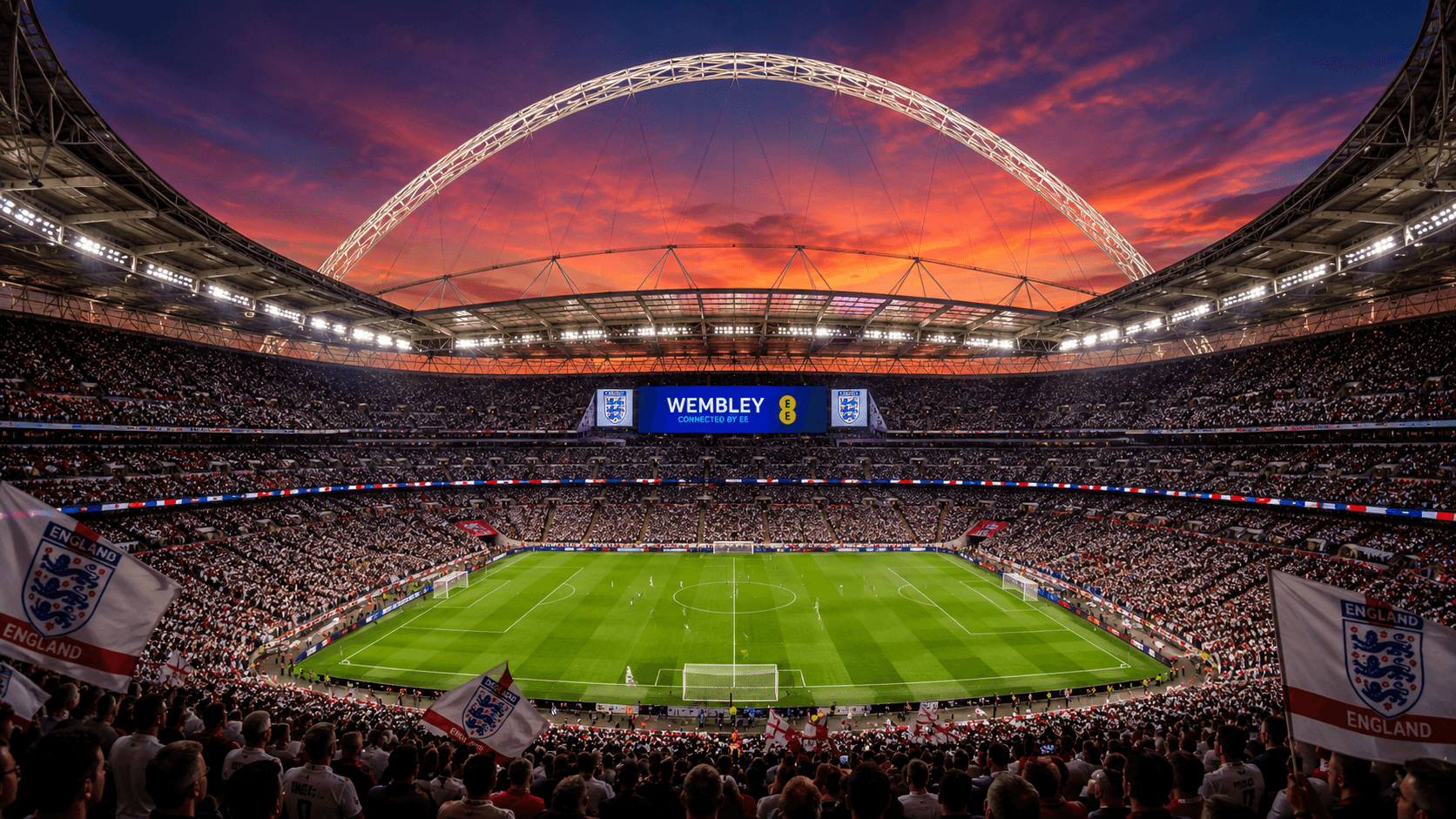
Wembley Stadium is widely regarded as the home of English football and one of the most prestigious sporting venues in the world. Rebuilt on the site of the original Wembley, the modern stadium opened in 2007 and immediately became an architectural masterpiece. Its iconic 133-meter arch dominates London’s skyline and has become a global symbol of football excellence.
With a seating capacity of 90,000, Wembley regularly hosts the biggest domestic and international matches in England. From FA Cup Finals to UEFA Champions League Finals and UEFA EURO matches, the stadium has witnessed countless unforgettable moments.
Quick Facts
- Location: London, England
- Capacity: 90,000
- Home Team: England National Football Team
- Opened: 2007 (Original Stadium: 1923)
Why It’s Special
Wembley offers one of the finest fan experiences in football thanks to its modern design, excellent facilities, and superb sightlines from every seat. The famous arch supports the roof without internal columns, providing uninterrupted views throughout the stadium.
The atmosphere during major finals is extraordinary, with fans from across England and around the world filling the stands with songs and national pride.
Interesting Facts
- Second-largest stadium in Europe.
- The iconic arch is visible from several kilometers away.
- Hosts the FA Cup Final every season.
- Venue for numerous Champions League Finals and UEFA EURO matches.
#3 Camp Nou (Spain)
Overview
Following its massive renovation project, Camp Nou has reclaimed its place among the greatest football stadiums on Earth. Home to FC Barcelona, the stadium combines incredible size, rich history, and one of the most passionate football cultures anywhere in the world.
For decades, Camp Nou has been the stage for football legends including Johan Cruyff, Ronaldinho, Lionel Messi, Xavi, Andrés Iniesta, and many others. Its atmosphere during El Clásico and Champions League nights is among football’s very best.
Quick Facts
- Location: Barcelona, Spain
- Capacity: Approximately 105,000 (after renovation)
- Home Club: FC Barcelona
- Opened: 1957
Why It’s Special
Camp Nou is famous for its enormous capacity, breathtaking atmosphere, and football heritage. The renovated stadium features upgraded seating, improved hospitality, modern technology, and enhanced sustainability while preserving its historic identity.
The famous pre-match anthem, the sea of Blaugrana colors, and the passionate Catalan supporters create an unforgettable matchday experience.
Interesting Facts
- One of Europe’s largest football stadiums.
- Home of FC Barcelona for nearly seven decades.
- Hosts one of football’s biggest rivalries—El Clásico.
- Features one of the world’s most visited football museums.
#2 Lusail Stadium (Qatar)
Overview
Lusail Stadium represents the future of football stadium design. Built for the 2022 FIFA World Cup, it instantly became world-famous after hosting one of the greatest World Cup Finals ever played between Argentina and France.
Its golden exterior, inspired by traditional Arabic craftsmanship, makes Lusail one of the most visually stunning stadiums ever constructed.
Quick Facts
- Location: Lusail, Qatar
- Capacity: 88,966
- Primary Use: International football and major sporting events
- Opened: 2022
Why It’s Special
Lusail combines cutting-edge sustainability, advanced cooling technology, luxurious fan facilities, and spectacular architecture. Every detail was designed to provide maximum comfort while celebrating Middle Eastern culture.
The stadium became legendary after hosting the unforgettable 2022 FIFA World Cup Final, widely considered one of the greatest matches in football history.
Interesting Facts
- Hosted the FIFA World Cup 2022 Final.
- Designed using sustainable engineering principles.
- Inspired by traditional Arabic lanterns and decorative bowls.
- One of the newest iconic football stadiums in the world.
These three stadiums demonstrate why football venues have become global landmarks. Wembley represents tradition, Camp Nou symbolizes football culture, while Lusail showcases the future of stadium design. Yet one stadium stands above them all thanks to its unmatched atmosphere, history, and passionate supporters.
#1 Estadio Monumental (Argentina)
Overview
Topping our list of the Top 10 Best Football Stadiums in the World Ranked (2026 Updated) is the magnificent Estadio Monumental in Buenos Aires, Argentina. Officially known as Estadio Mâs Monumental, it is the home of River Plate and the Argentina national football team.
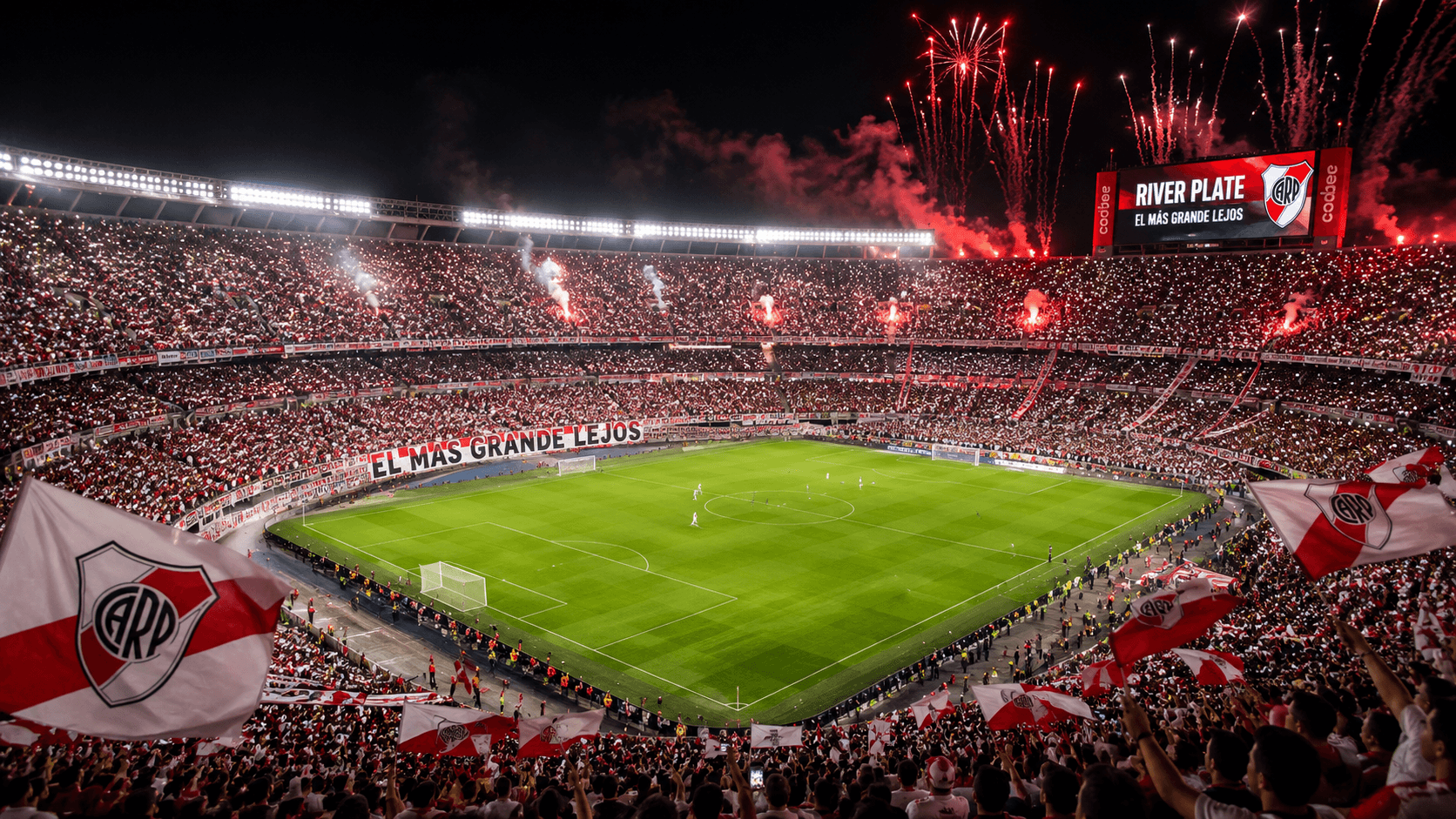
Following its recent expansion and modernization, the stadium has become South America’s largest football venue while preserving the electrifying atmosphere that has made it legendary. Every match feels like a festival, with more than 84,000 passionate supporters creating an unforgettable experience.
Quick Facts
- Location: Buenos Aires, Argentina
- Capacity: 84,500+
- Home Club: River Plate
- National Team: Argentina
- Opened: 1938
Why It’s Ranked #1
The Monumental perfectly combines football history, breathtaking atmosphere, modern facilities, and world-class fan experience. The energy generated by thousands of River Plate supporters is unlike anything else in football.
The stadium has hosted FIFA World Cup matches, Copa América fixtures, Superclásico clashes, and numerous international matches featuring Argentina. Celebrations following Argentina’s recent international successes have further strengthened its legendary status.
Interesting Facts
- Largest football stadium in South America.
- Hosted the 1978 FIFA World Cup Final.
- Home of the famous Superclásico rivalry.
- Recently expanded with modern seating and improved facilities.
- One of the loudest football stadiums in the world.
Why These Stadiums Stand Above the Rest
Ranking the world’s greatest football stadiums isn’t simply about capacity. The finest venues create unforgettable memories for supporters and players alike. Every stadium featured in this list excels in multiple areas:
- Historic importance in world football.
- Electric atmosphere generated by passionate supporters.
- World-class architecture and design.
- Excellent facilities and fan experience.
- Hosting iconic international and club matches.
- Cultural significance beyond football.
Whether it’s Dortmund’s famous Yellow Wall, Real Madrid’s futuristic Bernabéu, England’s iconic Wembley, or Argentina’s Monumental, each stadium has earned its reputation through decades of unforgettable football history.
Frequently Asked Questions (FAQs)
1. Which is the best football stadium in the world in 2026?
Based on atmosphere, history, architecture, fan experience, and iconic matches, Estadio Monumental in Argentina ranks as the best football stadium in the world in 2026.
2. Which football stadium has the biggest capacity?
Among the stadiums in this ranking, the renovated Camp Nou has the largest capacity at approximately 105,000 spectators.
3. Which stadium has the best atmosphere?
Signal Iduna Park’s famous Yellow Wall, Estadio Monumental, and Maracanã are widely regarded as having three of the most incredible football atmospheres in the world.
4. Which stadium hosted the greatest FIFA World Cup Final?
Lusail Stadium hosted the unforgettable 2022 FIFA World Cup Final, while Maracanã and Estadio Monumental have also hosted historic World Cup Finals.
5. Which stadium is the most modern?
The newly renovated Santiago Bernabéu and Lusail Stadium are among the world’s most technologically advanced football venues.
Conclusion
The world’s greatest football stadiums are much more than concrete structures filled with seats. They are places where dreams come true, legends are born, and millions of supporters create unforgettable memories every season.
Our Top 10 Best Football Stadiums in the World Ranked (2026 Updated) celebrates venues that combine extraordinary atmosphere, rich history, remarkable architecture, passionate fans, and unforgettable football moments. Whether you’re planning to watch a match in person or simply admire these iconic arenas from afar, each stadium deserves a place on every football fan’s bucket list.
As football continues to evolve, these legendary venues will remain symbols of the sport’s beauty, passion, and global appeal for generations to come.