Why Is Cricket So Popular in India? 10 Reasons Explained (2026)
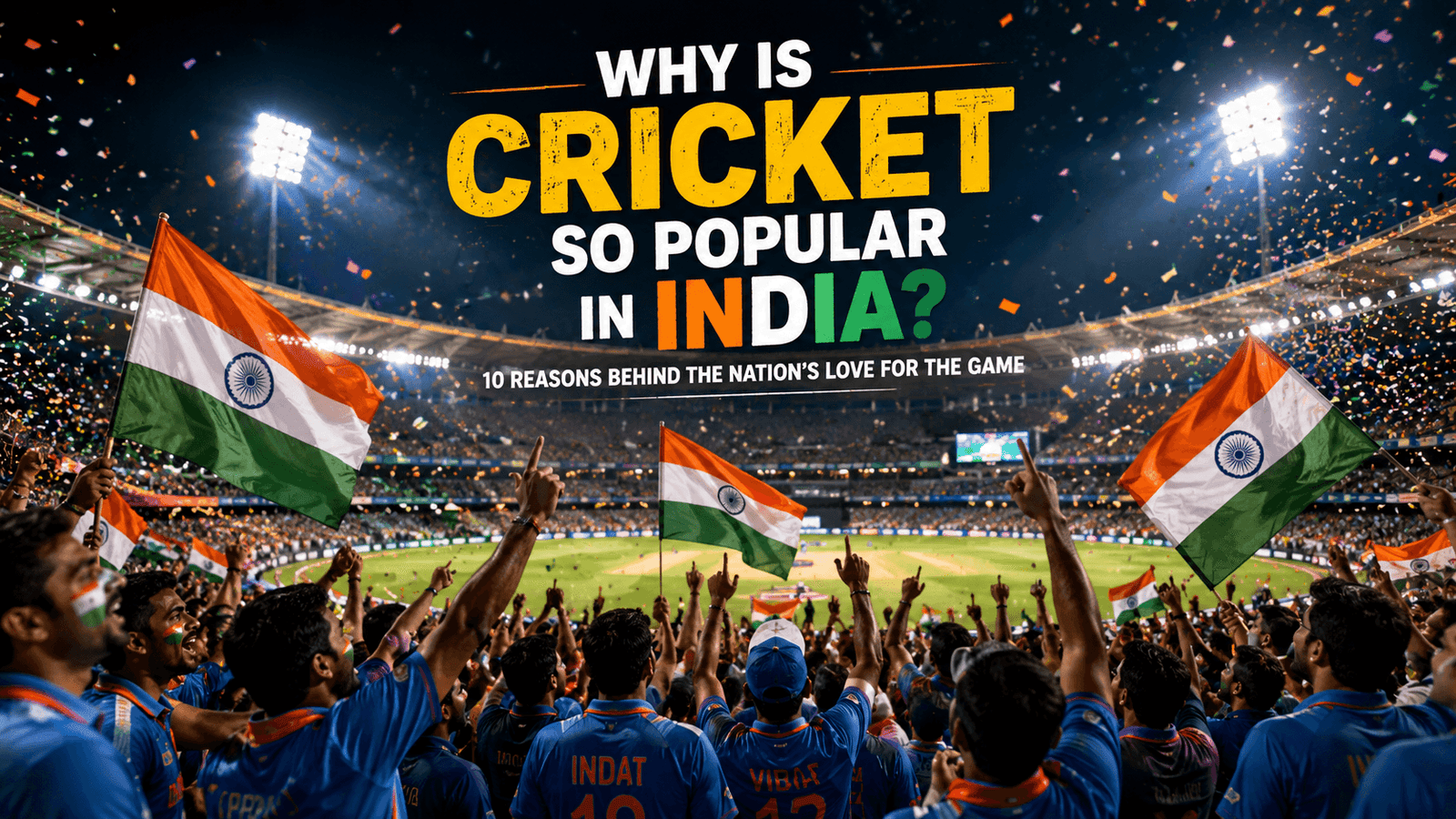
Cricket is more than just a sport in India—it is an emotion that connects millions of people across different regions, languages, and cultures. From children playing with tennis balls in narrow streets to packed stadiums filled with passionate supporters, cricket has become a significant part of Indian life. Cricket is so popular in India.
Whenever the Indian cricket team takes the field, roads become quieter, television viewership reaches extraordinary numbers, and social media buzzes with excitement.
But have you ever wondered why cricket became India’s favorite sport while many other countries are equally passionate about football, basketball, or baseball? The answer lies in a unique combination of history, national pride, legendary players, accessibility, media coverage, and the revolutionary impact of the Indian Premier League (IPL).
In this guide, we’ll explore the major reasons why cricket enjoys unmatched popularity in India, how it evolved into a national obsession, and why its popularity continues to grow year after year.
Table of Contents
- How Cricket Came to India
- 10 Reasons Why Cricket Is So Popular in India
- Why Cricket Is More Popular Than Football
- The Economic Impact of Cricket
- Challenges Facing Indian Cricket
- The Future of Cricket in India
- Frequently Asked Questions
- Conclusion
How Cricket Came to India
The roots of Indian cricket date back to the 18th century during British colonial rule. British soldiers, traders, and administrators introduced cricket as one of their recreational activities after arriving in India. Initially, the sport was played exclusively within British communities, with Indians watching from the sidelines.
Over time, local communities began adopting the game. The Parsis of Bombay (now Mumbai) were among the first Indian groups to embrace cricket seriously. They formed clubs, organized matches, and even toured England to gain international experience. Their efforts inspired other communities, including Hindus, Muslims, and Sikhs, to establish their own cricket clubs.
As domestic competitions became more organized, cricket gradually spread across the country. Schools, colleges, and universities introduced the game, helping it reach younger generations. By the time India gained independence in 1947, cricket had already become deeply embedded in Indian sporting culture.
Today, India is one of the most influential nations in world cricket, producing world-class players, hosting some of the biggest tournaments, and attracting millions of passionate fans.
10 Reasons Why Cricket Is So Popular in India
1. Historic Victories Created National Pride
One of the biggest reasons behind cricket’s popularity is India’s success on the international stage. For many years, India was considered an underdog in world cricket. That perception changed dramatically after the historic 1983 Cricket World Cup victory under Kapil Dev’s captaincy.
Defeating the mighty West Indies in the final shocked the cricketing world and inspired an entire generation of young Indians to pick up a cricket bat. The victory proved that India could compete with and defeat the strongest teams.
The country’s passion grew even stronger after winning the ICC T20 World Cup in 2007 and the ICC Cricket World Cup in 2011. These victories united millions of people in celebration and made cricket an inseparable part of India’s national identity.
Even today, every major ICC tournament creates enormous excitement, with fans following every ball, every wicket, and every victory.
2. Cricket Is Easy and Affordable to Play
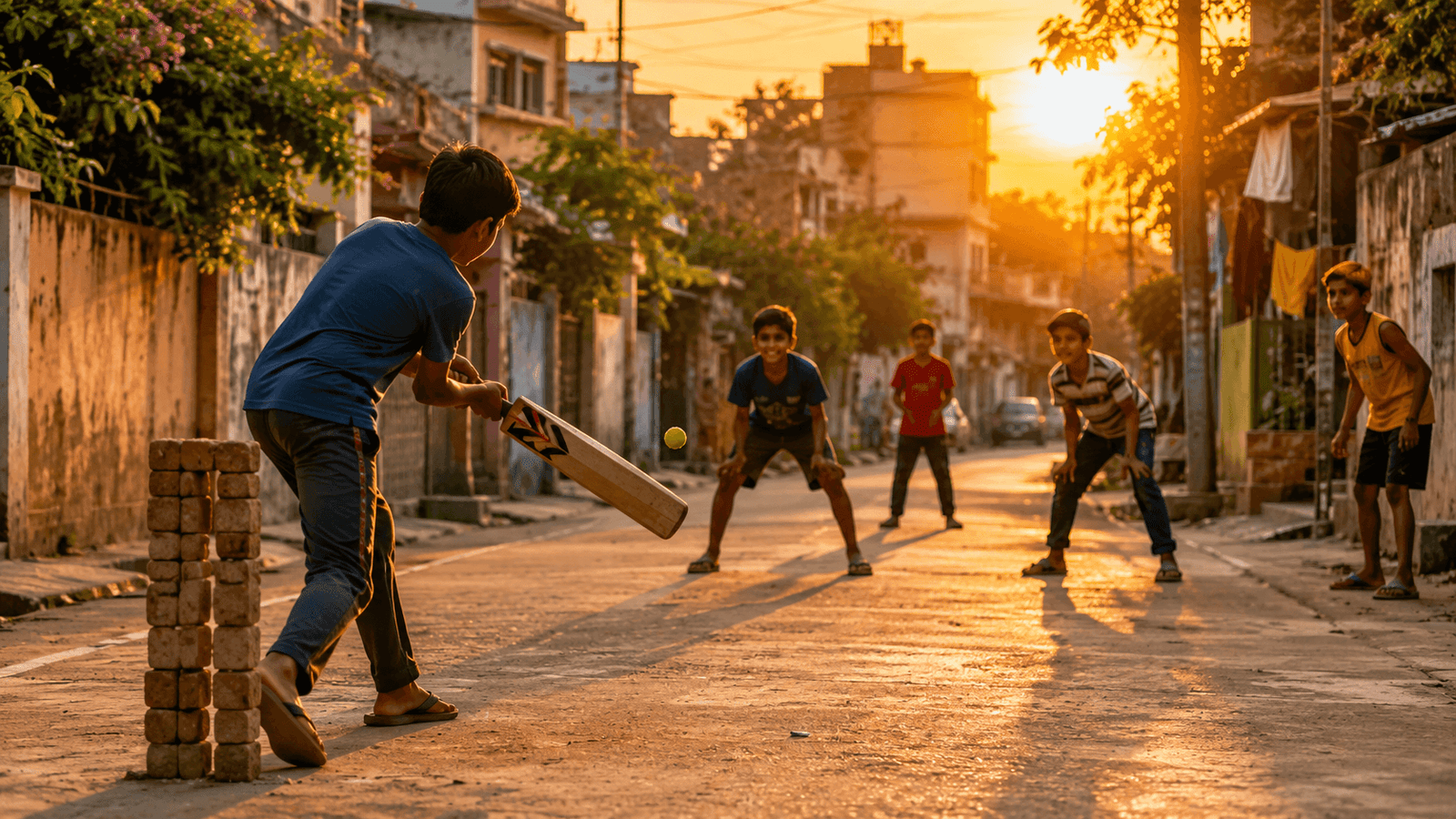
Unlike many sports that require expensive facilities or specialized equipment, cricket can be played almost anywhere. This accessibility has played a massive role in making cricket India’s favorite sport.
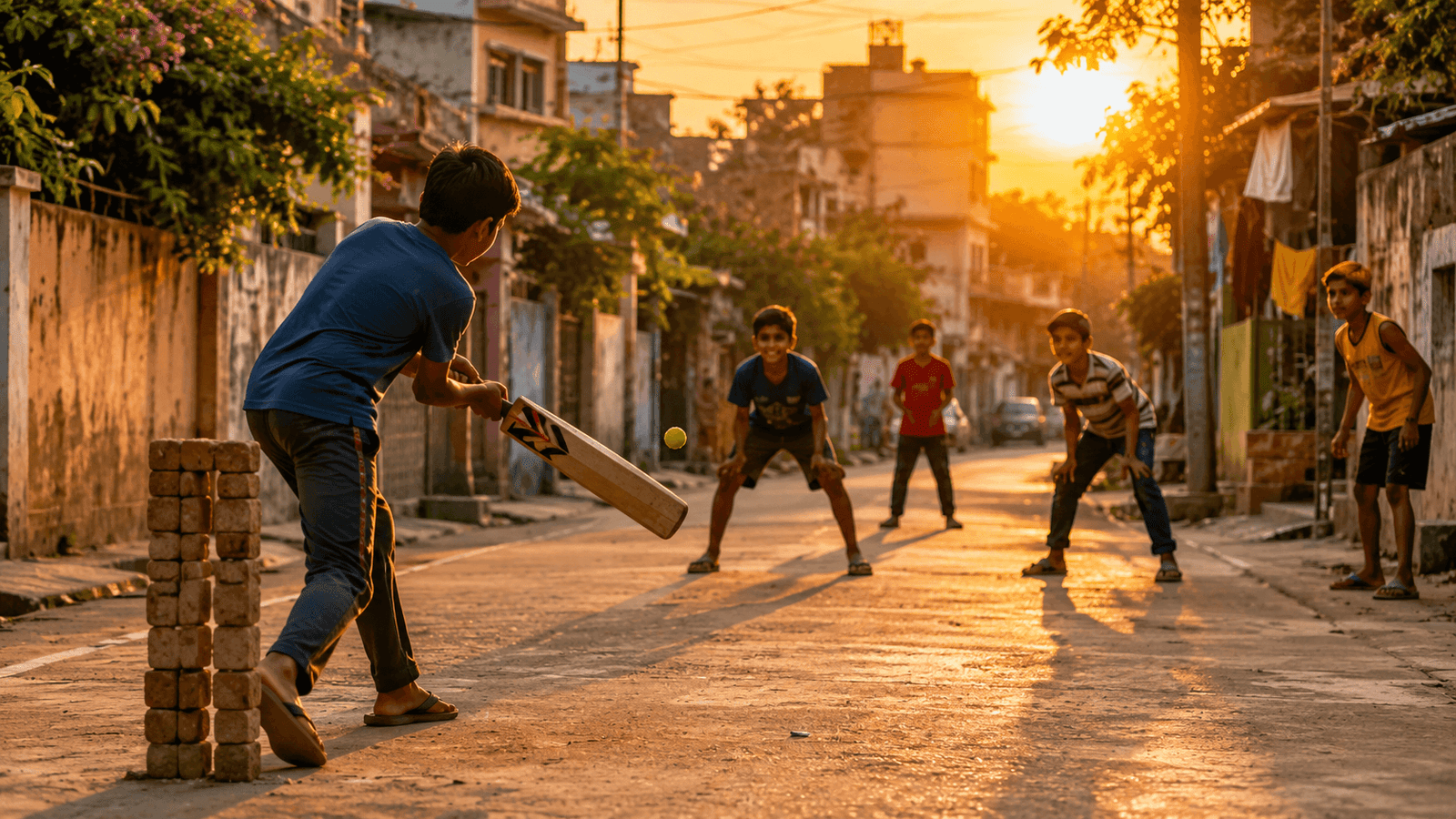
Children don’t necessarily need professional cricket grounds. A narrow street, an empty field, a school playground, or even a small courtyard can become a cricket pitch. Wooden sticks often replace expensive bats, while tennis balls or rubber balls are commonly used instead of professional leather balls.
This low-cost nature allows children from every economic background to participate in the game. Whether someone lives in a major metropolitan city or a small rural village, cricket remains accessible to almost everyone.
Street cricket has also become a cultural phenomenon. Nearly every Indian child has memories of arguing over boundaries, making local rules, or playing until sunset with friends.
3. Legendary Players Inspire Every Generation
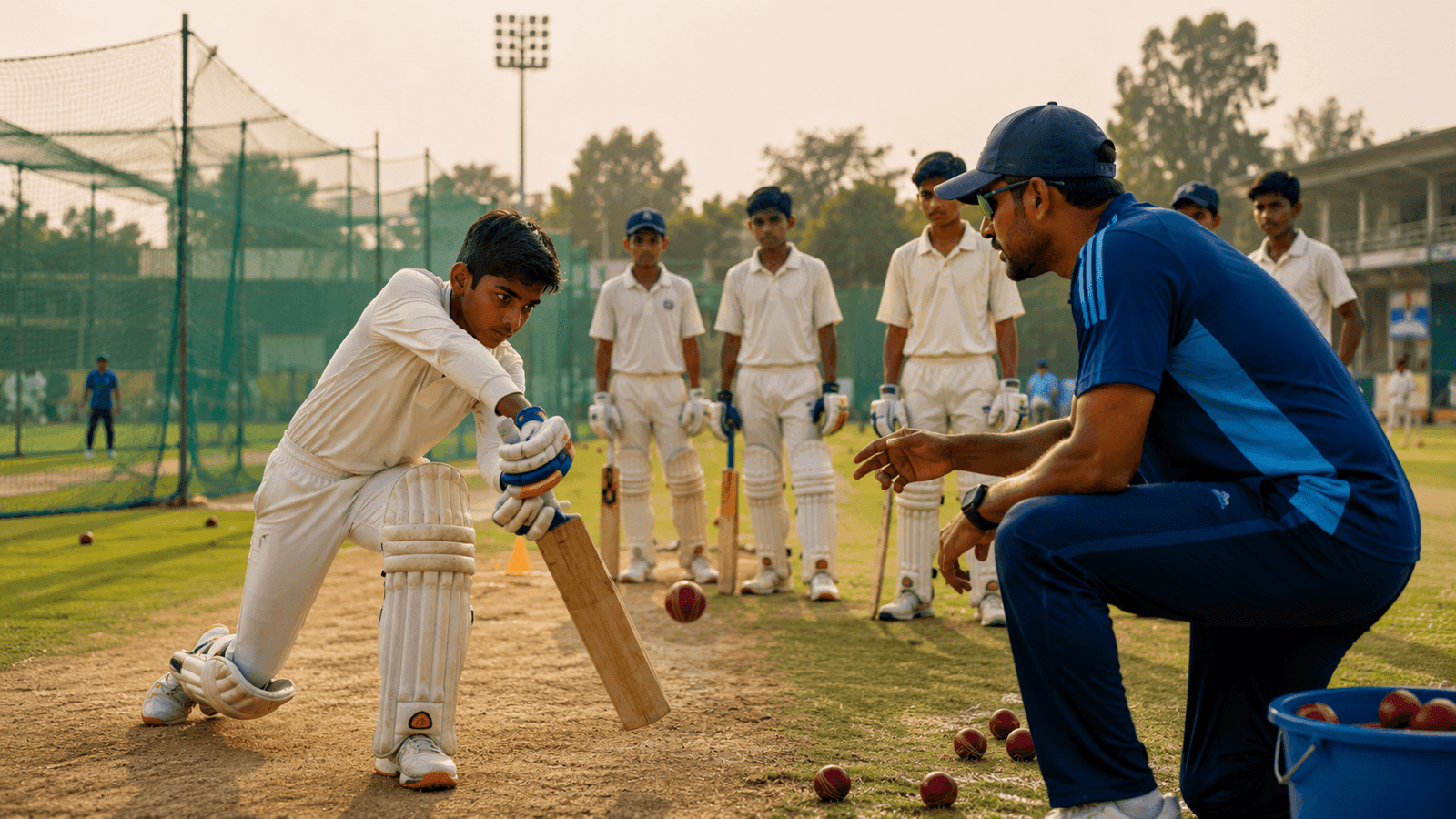
India has produced some of the greatest cricketers in history, and their achievements continue to inspire millions of fans.
Sachin Tendulkar became a household name through his extraordinary consistency and record-breaking career. Known as the “Master Blaster,” he inspired countless youngsters to pursue cricket professionally.
MS Dhoni earned admiration for his calm leadership and remarkable finishing abilities. Under his captaincy, India won the 2007 ICC T20 World Cup, the 2011 Cricket World Cup, and the 2013 Champions Trophy, making him one of India’s most successful captains.
Virat Kohli represents modern Indian cricket with his aggressive mindset, exceptional fitness standards, and consistent batting performances. His influence extends beyond cricket, inspiring young athletes to prioritize discipline and physical fitness.
Other legendary names such as Kapil Dev, Rahul Dravid, Sourav Ganguly, Anil Kumble, Rohit Sharma, and Jasprit Bumrah have also played vital roles in strengthening India’s cricketing legacy.
For millions of Indian children, these players are role models who demonstrate that dedication, hard work, and determination can lead to extraordinary success.
4. The Indian Premier League (IPL) Changed Everything
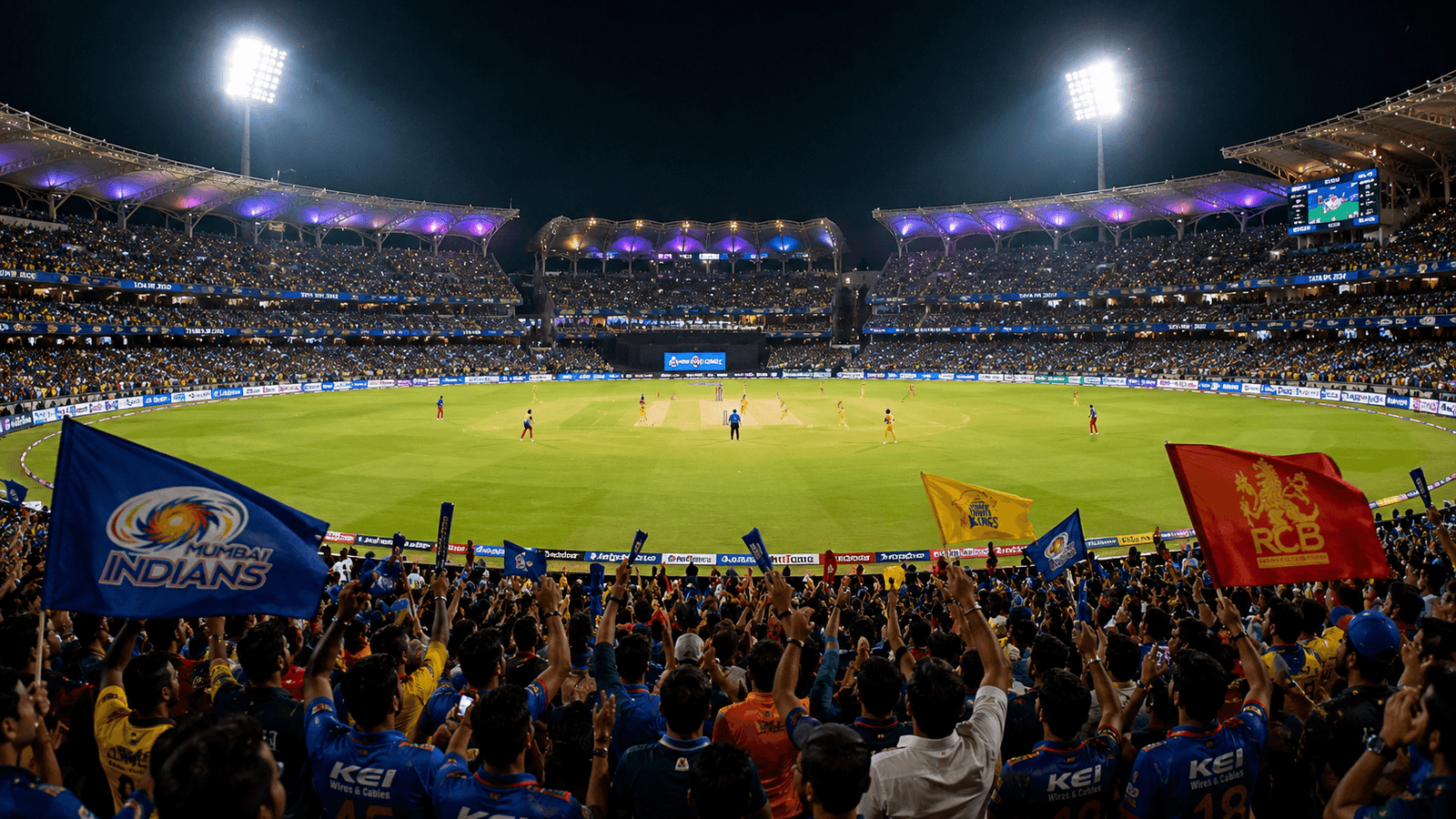
When the Indian Premier League (IPL) was launched in 2008, it transformed cricket into one of the biggest sporting entertainment products in the world. The tournament introduced a fast-paced Twenty20 format, attracting not only traditional cricket fans but also people who had never followed the sport before.
The IPL combines thrilling matches, world-class international players, passionate local rivalries, and modern entertainment. Each franchise represents a city or region, giving fans a strong emotional connection to their teams.
Young Indian cricketers also benefit immensely from the IPL. They get opportunities to play alongside some of the world’s best players, learn from experienced coaches, and showcase their talent on a global stage.
The league has also created thousands of jobs in broadcasting, marketing, event management, hospitality, sports journalism, and digital media, making cricket a significant contributor to India’s sports economy.
Today, the IPL is one of the richest and most-watched cricket leagues globally, further strengthening cricket’s popularity across India.
5. Massive Television and Digital Media Coverage
Another major reason cricket dominates Indian sports is its extensive media coverage. International matches, domestic tournaments, and franchise leagues receive continuous attention from television channels, newspapers, websites, YouTube creators, and social media platforms.
Match previews, live commentary, expert analysis, player interviews, fantasy cricket discussions, and post-match reviews keep fans engaged throughout the year.
The rise of smartphones and affordable internet has made cricket even more accessible. Fans can now watch live scores, match highlights, and breaking news anytime and anywhere.
Social media platforms have also helped players connect directly with supporters by sharing training sessions, behind-the-scenes moments, and personal updates. This interaction strengthens the relationship between players and fans, making cricket even more engaging.
Unlike many other sports, cricket remains in the headlines almost every day, ensuring that public interest rarely fades.
6. Cricket Brings the Entire Nation Together
India is home to diverse languages, religions, cultures, and traditions. Cricket has become one of the few activities capable of uniting people from every part of the country.
During important international matches, families, friends, colleagues, and even strangers gather to support Team India. Restaurants organize live screenings, offices allow employees to follow scores, and social media becomes filled with discussions about every boundary and wicket.
Victories are celebrated with fireworks, flag marches, and community gatherings, while heartbreaking defeats are felt across the nation.
This shared emotional experience has made cricket more than just a game. It has become a symbol of national pride and togetherness.
Few sporting events can generate the same level of excitement and emotional connection as an India cricket match.
7. Cricket Is Passed Down Through Generations
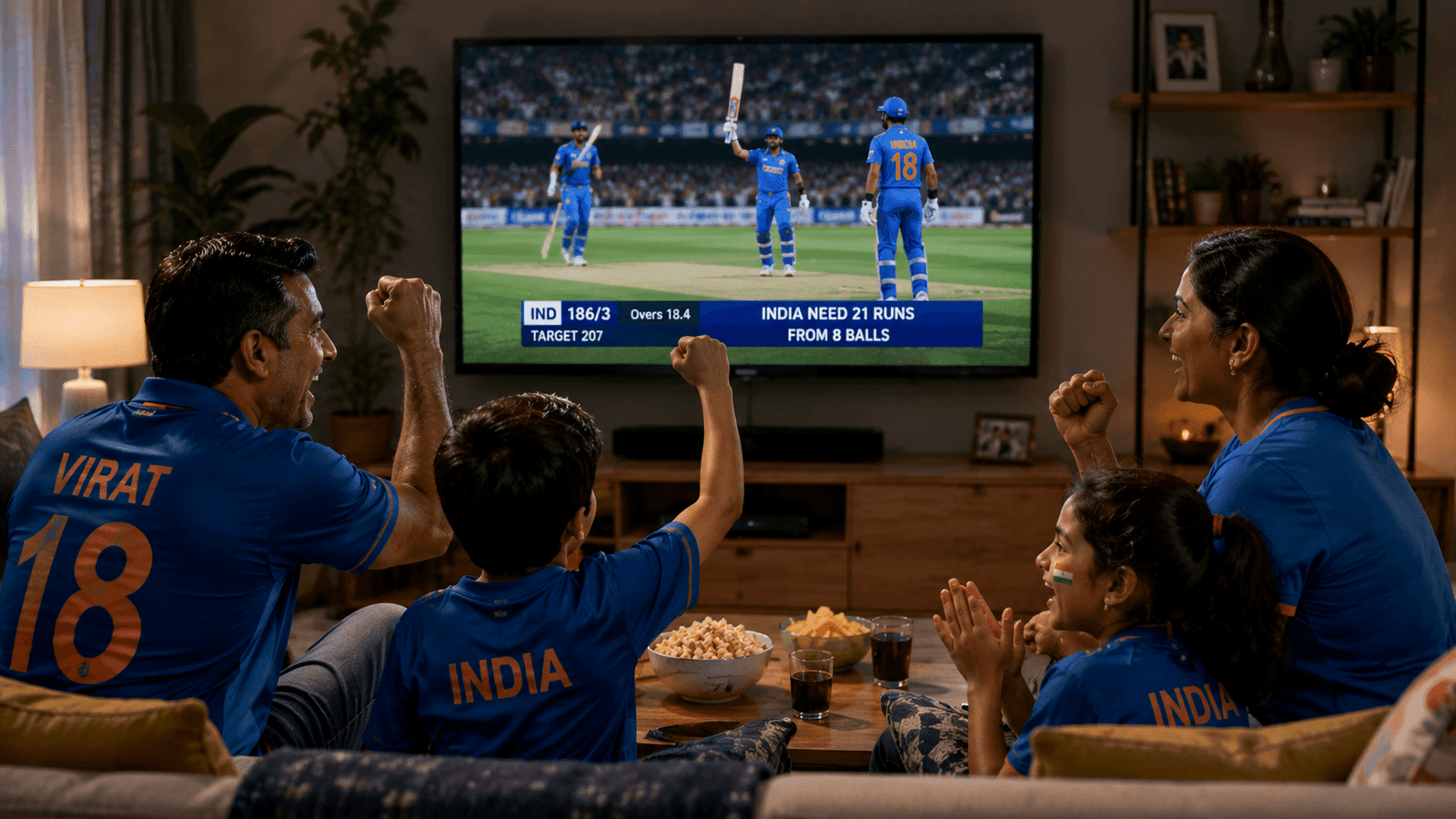
For many Indian families, cricket is a tradition that spans generations. Parents introduce the sport to their children at a young age, sharing stories of legendary matches and iconic players.
Grandparents remember listening to cricket commentary on the radio, parents recall watching classic matches on television, and today’s younger generation enjoys live streaming and digital highlights. This continuous connection has helped cricket remain relevant across changing times.
Family discussions about cricket are common during tournaments. Whether debating team selections, predicting match results, or celebrating memorable victories, cricket creates conversations that bring people together.
This generational passion ensures that every new cricket fan grows up in an environment where the sport is already deeply loved and appreciated.
Why Is Cricket More Popular Than Football in India?
Football has gained popularity in recent years, especially after the growth of domestic leagues and increased international coverage. However, cricket continues to dominate for several reasons.
Longer History
Cricket has been played in India for more than two centuries, giving it a significant historical advantage over football.
Greater International Success
India has consistently produced world-class cricket teams and legendary players. International success naturally attracts more fans and inspires future generations.
Better Infrastructure
India has thousands of cricket academies, coaching centers, school tournaments, and domestic competitions that provide opportunities for aspiring players.
Higher Financial Rewards
Professional cricketers often enjoy higher salaries, sponsorships, endorsement deals, and league contracts than athletes in many other sports. This motivates young players to pursue cricket as a career.
Continuous Media Attention
Cricket receives significantly more television coverage, newspaper space, and digital content than most other sports in India. As a result, fans remain engaged throughout the year.
The Economic Impact of Cricket in India
Cricket is not only a sport but also a powerful economic driver. The industry generates billions of rupees annually through broadcasting rights, sponsorship agreements, ticket sales, merchandise, tourism, advertising, and digital content.
Major tournaments create employment opportunities for broadcasters, photographers, journalists, stadium staff, security personnel, hospitality workers, travel companies, sports analysts, content creators, and event organizers.
The growth of cricket has also encouraged investments in sports infrastructure, coaching academies, fitness centers, and youth development programs across the country.
From local businesses near stadiums to multinational brands partnering with tournaments, cricket positively impacts multiple sectors of the Indian economy.
Challenges Facing Cricket in India
Despite its incredible popularity, cricket in India faces several challenges. As the sport continues to grow, maintaining a balance between entertainment, player welfare, and the development of other sports has become increasingly important.
1. Overshadowing Other Sports
One of the biggest criticisms of cricket’s dominance is that it often overshadows other sports such as football, hockey, athletics, badminton, wrestling, and volleyball. While these sports have produced world-class Indian athletes, they generally receive less media attention and financial support compared to cricket.
Many experts believe that promoting multiple sports equally would create more opportunities for young athletes and strengthen India’s overall sporting culture.
2. Heavy Player Workload
Modern cricketers have packed schedules that include international tours, domestic tournaments, franchise leagues, and promotional events. Continuous cricket can lead to fatigue, injuries, and mental pressure, making workload management an important priority for teams and administrators.
3. Increasing Commercialization
Cricket has become a massive business industry. While commercial success has helped improve infrastructure and player earnings, some fans believe that excessive advertisements and tightly packed schedules can sometimes affect the traditional spirit of the game.
4. Grassroots Development
Although India has many cricket academies, talented players from smaller towns and rural areas may still face challenges such as limited facilities, coaching, and financial support. Expanding grassroots programs can help discover the next generation of cricket stars.
The Future of Cricket in India
The future of cricket in India looks brighter than ever. With modern training facilities, advanced sports science, technology-driven coaching, and increasing investment in youth development, the country continues to produce exceptional talent.
Women’s cricket has also experienced remarkable growth. Rising fan support, professional leagues, and greater media coverage are encouraging more young girls to pursue cricket as a career.
Digital technology is changing how fans experience the game. Live streaming, real-time statistics, player analytics, virtual reality experiences, and artificial intelligence are making cricket more interactive than ever before.
The inclusion of cricket in future global sporting events is expected to introduce the game to even larger audiences worldwide. As India’s influence in international cricket continues to grow, its passionate fan base is likely to expand even further.
Whether it is played on international stadiums or neighborhood streets, cricket will continue to inspire millions of Indians for generations to come.
Frequently Asked Questions (FAQs)
Why is cricket more popular than football in India?
Cricket has a longer history in India, stronger international success, wider media coverage, greater financial opportunities, and deeper cultural roots than football.
Is cricket the national sport of India?
No. Contrary to popular belief, India does not have an official national sport. Cricket is simply the country’s most popular sport.
Why do Indians love cricket so much?
Indians love cricket because it is deeply connected with history, national pride, family traditions, iconic players, and unforgettable international victories.
How did the IPL increase cricket’s popularity?
The IPL introduced a fast-paced format, city-based franchises, international stars, and modern entertainment, attracting millions of new fans and making cricket more exciting for younger audiences.
Can cricket remain India’s most popular sport?
Yes. With a strong domestic structure, passionate fan base, continuous international success, and growing investment in grassroots development, cricket is expected to remain India’s leading sport for many years.
Final Thoughts
Cricket’s popularity in India is the result of history, culture, accessibility, legendary players, unforgettable victories, and continuous innovation. What began as a sport introduced during the colonial era has evolved into a national passion that unites people across every region and generation.
From children playing cricket in narrow streets to fans filling world-class stadiums, the sport has become an inseparable part of everyday life. The rise of the IPL, digital media, and youth development programs has only strengthened this connection.
Although other sports continue to grow in popularity, cricket remains unmatched in terms of fan support, emotional connection, and cultural significance. As new generations embrace the game and Indian cricket continues to achieve success on the global stage, its popularity is set to remain stronger than ever. So cricket became popular in India.